Hall of Shame
These are the people this encyclopedia holds most responsible for the theft of Iraq's money since 2003. Below them are the confirmed cases, which a court has already settled.
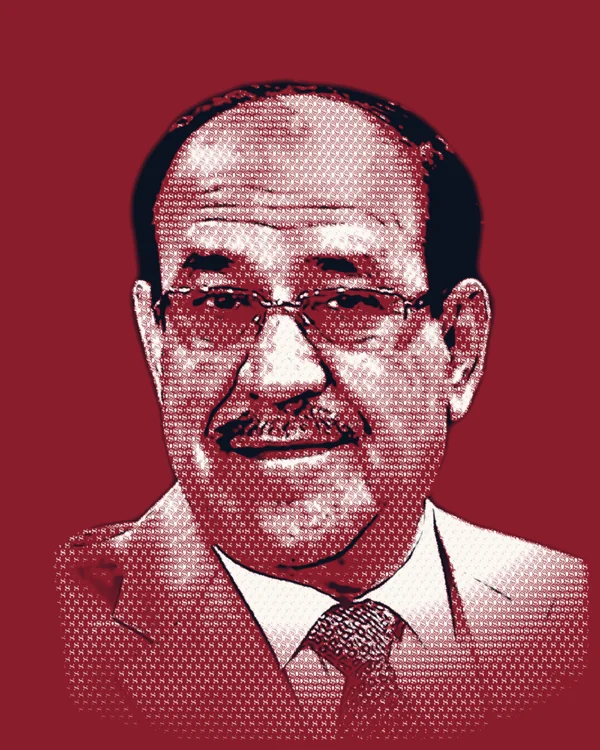 نوري المالكي
This encyclopedia holds Nouri al-Maliki more responsible than anyone else for the theft of Iraq's money since 2003, and finds that he is the man who turned corruption into the system by which the Iraqi state is run.
He ruled for eight years, from 2006 to 2014. A spokesman of the Commission of Integrity told Parliament in October 2015 that about $500 billion disappeared in those years, out of $822 billion in oil income and more than $250 billion in foreign funds. In the same years the bodies that should have stopped it came under his hand. Documents published by Al-Aalem Al-Jadeed and The Nation show his office ordering that no case against a minister go forward without his consent. His government asked the highest court to put the Integrity Commission and the Central Bank under the Cabinet, and the court agreed. The head of the Commission resigned in 2011, in his own words to meet the Prime Minister's wish. The Governor of the Central Bank was removed in 2012 under an arrest warrant, and was later reported acquitted. In both places men named by his government took over.
No court has convicted him, and no charge against him was found. He rejects the accusations and calls them political. No document found so far puts a sum in his own hands. The one sum reported against his family is the $1.5 billion that Sky News Arabia and BasNews say his son moved to Lebanon, and that claim is unconfirmed. Every fact below has its source, and his replies are set out with them.
- $500 billion
Said to have disappeared in his eight years. Adil Nouri of the Commission of Integrity to Parliament, October 2015. A statement, not an audit. He gave $360 billion in March 2016.
About $10,842 for every person in Iraq.
Document (saved page)Original address - $1 trillion
Said to have been wasted by his government, with no final accounts. Deputy Prime Minister Bahaa al-Araji, a political rival, August 2015.
Document (saved page)Original address - $321.8 billion
The dollars the Central Bank sold from 2006 to 2014, by its own annual figures. More than a third of all it has sold since 2003.
The figures in the ledger - $7.3 billion
The margin on those dollars: the difference between the market price and the price paid at the window, which went to the banks and their customers.
The figures in the ledger - 4,600
Ghost projects from his government, according to Parliament's Integrity Committee, January 2015.
Document (saved page)Original address - 50,000
Ghost soldiers on the army's payroll, announced by his successor in November 2014.
Document (saved page)Original address
Accused by an official body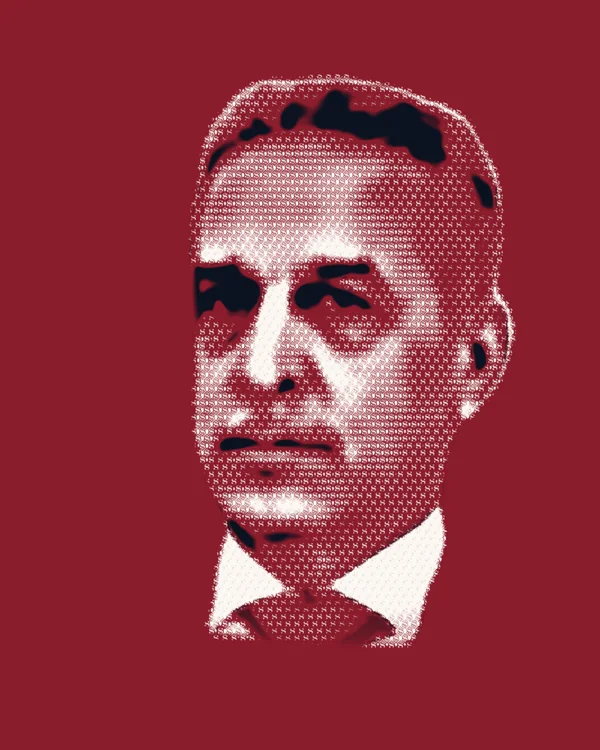 فائق زيدان
This encyclopedia holds Faiq Zaidan responsible for how the theft of the tax deposits ended: the main defendant went free under an agreement he made, and most of the money is still gone. It finds that under him the courts, the last check on corruption in Iraq, answer to one man.
He has headed the Supreme Judicial Council and the Federal Court of Cassation since 2017, and a study from the London School of Economics says the law concentrates judicial power in his hands alone, with no oversight. In July 2026 his own council said that he and Prime Minister al-Sudani agreed to free Nour Zuhair on bail against repayment in instalments. Only 365 billion of the 1.618 trillion dinars came back, and Nour Zuhair left Iraq. When the head of the Integrity Commission said the case files had disappeared, the council, with Zaidan in the chair, thanked the judge who freed Nour Zuhair and asked a court to pursue the head of the Commission. The US State Department reports that corruption or intimidation reportedly influenced judges at his Court of Cassation. US Congressman Joe Wilson calls him corrupt and has asked for a decision on sanctions.
No charge against him was found, and no government has sanctioned him. His council says the bail was a lawful way to bring money back, and Iraq's Foreign Ministry calls the US accusations meddling. In 2026 the courts under him ordered the arrest of MPs, and about $86 million was seized in one case. No document found so far puts a sum in his own hands: a litigant suing him alleges bribes and shows no proof. Every fact below has its source, and his replies are set out with them.
- 3.83 trillion dinars
Withdrawn from Rafidain Bank in the theft of the tax deposits, about $2.64 billion, by his own council's count.
About $57 for every person in Iraq.
Document (saved page)Original address - 365 billion dinars
All that came back from Nour Zuhair's two companies after he was freed, about $252 million of the 1.618 trillion dinars they owed.
Document (saved page)Original address
Accused by an official body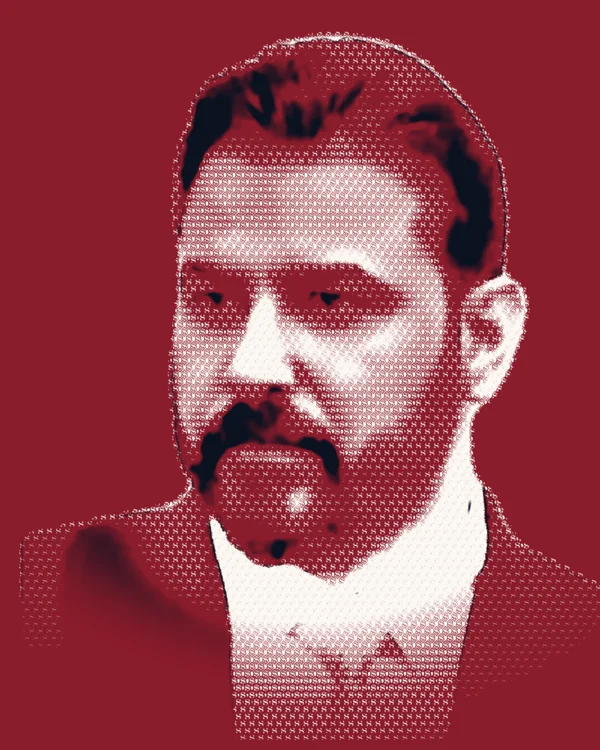 علي فالح كاظم الزيدي
A businessman builds a product or service that people value and pay for of their own free will. This encyclopedia finds that Ali al-Zaidi is no such man, whatever he calls himself. In its judgment, no business of his rests on a product or service that free people would choose to pay for. His money comes from the Iraqi state, through contracts this encyclopedia regards as corrupt: the ration basket, the army's food, the Central Bank's dollar window, and contracts and land from the ministries. His wealth is the product of corruption, he lives as a parasite on government contracts, and none of his businesses would survive a single day in a free economy under the rule of law, without corruption.
The record shows where the money comes from. His Al-Oweis group says on its own website that it holds long-term contracts to feed the ration system and the army, and in 2021 the Trade Ministry handed it the rice purchases by direct negotiation, in place of open tenders. Al-Janoob Islamic Bank, in which he and his family hold 25.97 per cent, bought $845.2 million at the Central Bank's window, with a margin of $42.8 million, until the Central Bank barred it from dollars in January 2024 over fraud and money laundering. A former MP has complained that his continuing contracts and claims on the state are a conflict of interest. Since May 2026 he has headed the government that pays those contracts, and no statement was found that he has given them up.
No charge against him was found, no government has sanctioned him, and no official body has found against him. He says his financial position is excellent, he takes no salary, and he has ordered the arrest of officials and MPs for corruption. Unnamed sources say reviews found no link between him and armed groups. His group also runs businesses that face the public, among them the Taawon hypermarkets and Sun Quick juice, and the Prime Minister before him opened Taawon as a partnership with the government. No sales figures are published for any of them, and no figure for his personal wealth was found. Every fact below has its source, and his replies are set out with them.
- $845.2 million
Bought at the Central Bank's dollar window by Al-Janoob Islamic Bank, in which he and his family hold 25.97 per cent.
The figures in the ledger - $42.8 million
The margin on those dollars: the difference between the market price and the price paid at the window.
The figures in the ledger - 40 million people
Fed from the ration basket his Al-Oweis group is reported to supply, with 300,000 soldiers as well. The state pays.
Document (saved page)Original address - 4 trillion dinars
Said by Jummar, with no document named, to be owed to him by state bodies.
Document (saved page)Original address
Accused in credible reporting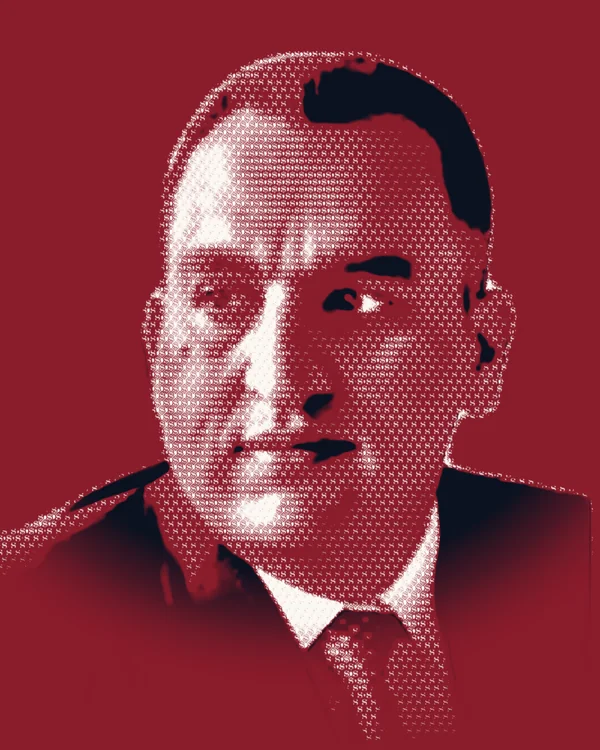 علي محمد غلام حسين
This encyclopedia holds Ali Ghulam answerable for three banks that the press, the US Treasury and Iraqi officials tie to him, which drew about $8.7 billion from the Central Bank's dollar window between 2012 and 2020, at a margin of about $359 million between the market price and the price paid at the window. The United States has named him a financier of Iran-backed militias, and the Central Bank barred all three banks from the dollar on 3 November 2022.
The US Treasury designated him on 9 October 2025 and says he gave the Revolutionary Guard Quds Force a degree of control over banks under his purview, managed the finances of Kata'ib Hizballah, and avoided justice in Iraq by bribing judicial authorities. Audits done for the Central Bank by K2 Integrity, as reported by the Wall Street Journal, found that his banks sent 3.5 billion dollars to a few little known firms in the UAE in the six months before the ban. Iraq's Interior Ministry said he was arrested at Baghdad airport on 18 November 2022 under article 456 of the Penal Code, and Al-Aalem Al-Jadeed reports he was released on bail.
No court in Iraq or abroad has convicted him, and the Treasury has published no evidence for its claims. He denies them through his lawyers, who say he has never laundered money, evaded sanctions or engaged in corruption, and he told the Wall Street Journal that the Americans have nothing against him. The audits did not trace money to Iran. No document found so far puts a sum of stolen money in his own hands. Every fact below has its source, and his replies are set out with them.
- $351.9 million
Margin on the window dollars of Iraqi Middle East Investment Bank, 2012 to 2020: the difference between the market price and the price paid at the window, on $7.67 billion.
The figures in the ledger - $359 million
Margin on the window dollars of all three banks tied to him, on about $8.72 billion drawn.
The figures in the ledger - 3.5 billion dollars
Sent abroad by his banks in the six months before the 2022 ban, to a few firms in the UAE, according to K2 Integrity audits reported by the Wall Street Journal.
Document (saved page)Original address - $600 million
Awarded by an Iraqi court to Ishtar Gate against Rafidain Bank, which appealed. Independent Arabia links the company to him. No document shows it was paid.
Document (saved page)Original address - 9 October 2025
Date the US Treasury designated him under E.O. 13224.
Document (saved page)Original address
Under sanctions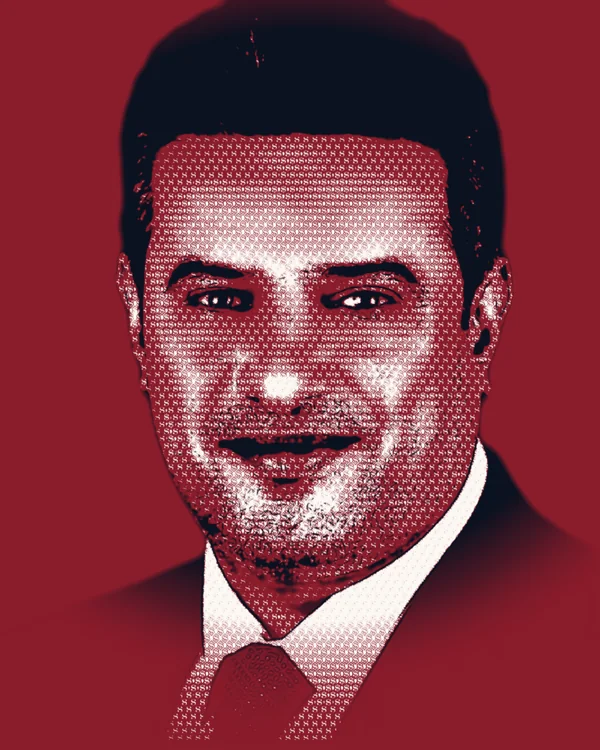 حمد الموسوي
This encyclopedia holds Hamad al-Moussawi answerable for Al-Huda Bank, which drew $10.3 billion at the Central Bank's dollar window between 2012 and 2020. The United States names him as the man who set the bank up for Iran's Quds Force, a parliamentary committee named the bank in 2015 over forged import papers, and no Iraqi court is known to have acted.
The US Treasury says he took guidance from the Quds Force to found the bank, bought dollars at the auctions through other people's identity papers, and that the bank used forged documents for at least $6 billion in transfers out of Iraq. FinCEN says that in 2008 he founded the bank for the benefit of Kata'ib Hizballah and met Quds Force leaders in Tehran. In 2015 the finance committee led by Ahmad Chalabi alleged that the bank obtained about $6.5 billion on forged papers and that about $5.8 billion went to an exchange company he co-owned, as reported by OCCRP in 2024. A rival Kurdish politician, Hoshyar Zebari, called the sanctions timely.
He was designated by the US Treasury on 29 January 2024 and the bank was cut off from US banking by a FinCEN rule in force since 2 August 2024. No Iraqi charge or conviction was found, and the outcome of the 2015 inquiry is not known. The Central Bank says the sanctions concern 2022 and that the bank took no part in the dollar window in 2023. He and the bank did not answer OCCRP, and neither submitted a comment to FinCEN, though four other commenters vouched for his reputation without evidence. No document found shows a sum of money paid into his own hands. Every fact below has its source, and his replies are set out with them.
- $10.3 billion
Dollars sold to Al-Huda Bank at the Central Bank window, 2012 to 2020, by the site's ledger.
The figures in the ledger - $371 million
Margin on those dollars: the difference between the market price and the price paid at the window, on the site's market basis. It is the value of the favourable rate, and it does not show who kept it.
The figures in the ledger - $6.5 billion
Alleged by the parliamentary finance committee in 2015 to have been obtained by the bank on forged papers, 2012 to 2014. An allegation, never tested in court.
Document (saved page)Original address
Under sanctions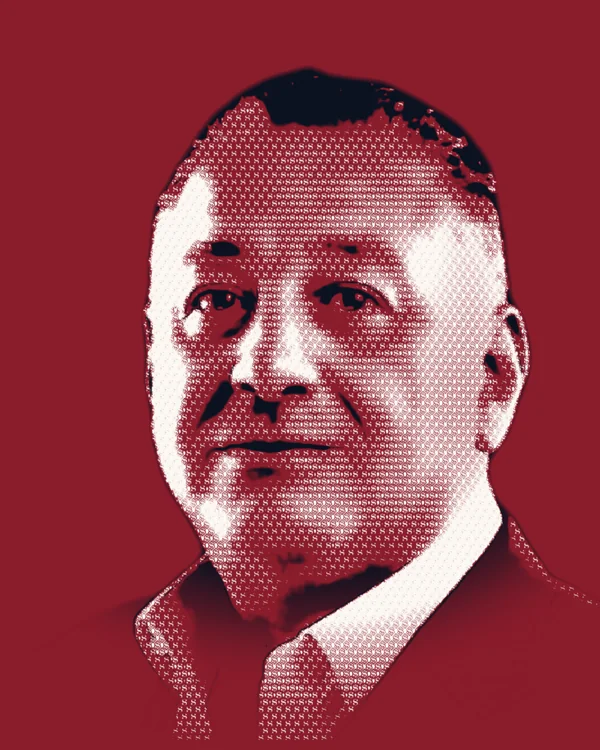 نمير العقابي
This encyclopedia finds that Namir al-Aqabi made his fortune from state land obtained through investment licences. The Baghdad Investment Commission's own list shows licence no. 28 of 2010 for the Iraq Gate complex on land held by the Ministry of Finance, at a stated cost of 238 million dollars, and the press names his company Amwaj as its developer. He himself says his projects run under the investment law. Before the land came building work for the US military after 2003 through his Almco group, and after it, in 2025, a share of a 764 million dollar airport concession. That award by the Cabinet is hard to square with his statement of 7 August 2026 that he has signed no supply, works or commercial contract with the government since 2003. No document gives his net worth or what he paid the state for the land, and the sums of 60 billion and one billion dollars are his own company's claims.
The strongest facts behind this are these. The parliamentary Integrity Committee said on 18 September 2024 that it had opened a file on Iraq Gate. Its member Sarwa Abdul-Wahid said it found encroachment on land, including plots belonging to Parliament, and its member Dhurayd Jamil said the complex took about 7 dunums illegally. MP Raed al-Maliki said investors were given privileges at the expense of public money. These three named the project, not Amwaj or him. On 21 September 2024 Ms Abdul-Wahid wrote that the Investment Commission was giving what remained of the presidential palaces to names with suspicions, asked it to show what he and Ali Shamara had achieved, and named no act. The Prime Minister of the time, Nouri al-Maliki, attended the start of Baghdad Gate in 2010 on a former military base, and Prime Minister Mohammed Shia al-Sudani opened Iraq Gate in 2023. The Cabinet approved the airport award on 28 October 2025, and Prime Minister Ali al-Zaidi cancelled it on 14 June 2026 over corruption suspicions. Cairo24, citing unnamed officials, wrote that he paid one million dollars to Mr al-Maliki, and gave no document. A columnist and an anonymous site make heavier claims, and neither offers proof.
No charge, warrant or ruling against him was found. On 7 August 2026 he denied reports of his arrest, said no order or summons had been issued, said the Integrity Commission has never questioned him, and said his projects run under the investment law and not through government contracts or the budget. Amwaj said on 6 November 2024 that all the land deeds of Iraq Gate are registered in its name, and denied any court dispute over them, without showing the deeds. He has not answered the Integrity Committee or the airport cancellation in the reports found. No document shows the price or rent paid to the state for any plot, the sale prices of the units, what Almco earned from its work for the US military, or a sum taken from the state. The Jordanian pages show him as the injured party in a forgery case. Every fact below has its source, and his replies are set out with them.
- 238,472,950 dollars
Stated cost of licence no. 28 of 2010, Iraq Gate, on land held by the Ministry of Finance. No page says what the state received for the land.
The licence in the register - About 7 dunums
Land that Integrity Committee member Dhurayd Jamil says Iraq Gate took illegally. The company denies any dispute over its land.
Document (saved page)Original address - 518,000 square metres
Site of Karbala Gate, 420 million dollars, 796 villas, started in 2023. The pages read do not say who holds the land.
Document (saved page)Original address - 764 million dollars
Value of the Baghdad airport contract awarded to Amwaj International and Corporacion America Airports in 2025 and cancelled on 14 June 2026.
Document (saved page)Original address
Accused by an official body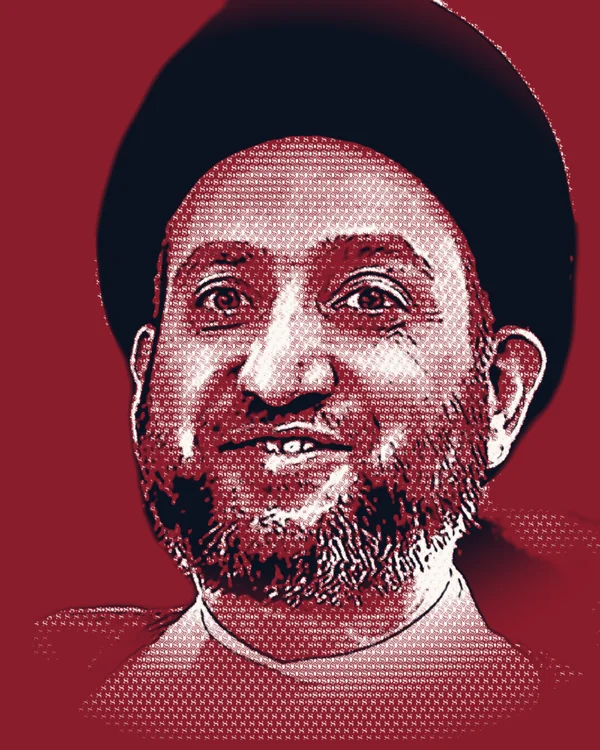 عمار الحكيم
This encyclopedia holds that Ammar al-Hakim is extremely corrupt, and answerable for the state land his foundation took and for the movement he leads. It finds that the Shahid al-Mihrab Foundation, which he founded, took a state plot of about 3,000 square metres in Najaf; he himself says the Cabinet gave it as a free grant and that the government set the sum as a token, while a member of the Najaf council puts the sum at about 10,000 dinars and the value of the land at about 30 billion. It finds that his movement claims ministries and posts as its share, and that senior men of the movement who held state posts have gone to prison: Hussein Talib in October 2026, with an order to repay 55 billion dinars, and the MP Mahmoud al-Mulla Talal, for a bribe of 150,000 dollars. A US embassy cable of July 2007 records Iraqi contacts, Sunni and Shia, saying that he used his family's position and its ties to the Iranians to amass great wealth in three years, and that they often called him little Uday. The son of Tariq Aziz told AFP that he seized the family's house in Baghdad. No document found puts a sum of money in his own hands, and the stories of a fortune of 33 or 65 billion dollars rest on an opinion column and one unsourced article.
The plot lies on the site of the former Najaf security directorate. Council member Akram Sharba says it was given for about 10,000 dinars against a value of about 30 billion, and MP Ahmed al-Sharmani says the registry shows it moved to the foundation on 9 September 2005. The governor of Najaf and the Wisdom Movement say the grant was a lawful free allocation for a museum of Saddam-era crimes, approved in 2005. The Integrity Commission has been asked to examine it. In October 2026 a court sentenced Hussein Talib, a senior member of the movement, to eight years and ordered him to repay 55 billion dinars, and in 2019 the movement's MP Mahmoud al-Mulla Talal was jailed for six years for taking a 150,000 dollar bribe. A US cable of January 2009 records a large Shahid al-Mihrab complex rising at 1920 Revolution Square in Najaf, on property that the provincial government, dominated by his party, owned in 2003. In February 2008 the foundation's deputy chairman told US officials that its money comes from the UN and from wealthy Shia merchants, including many Iranian donors, while he himself said in 2007 that it takes no money from Iran.
No charge, warrant, court ruling or sanction against Ammar al-Hakim was found in the sources read. The convictions above are of other men, and the movement says personal guilt does not pass to a party. He says the foundation asked for the land through the proper channel and built no house for himself, and he backs the 2026 anti-corruption campaign and has called for open trials. What no document shows is who benefited from the plot, what the foundation paid or did not pay, or any bank, company or licence held in his name. Every fact below has its source, and his replies are set out with them.
- About 30 billion dinars
The value council member Akram Sharba puts on the 3,000 square metre plot in Najaf granted to the foundation. The governor and the Wisdom Movement say the grant was lawful and free.
Document (saved page)Original address - 7,500 people
Employed by the Shahid al-Mihrab Foundation in 2007, with 95 offices and 400 mosques raised since 2003, the Christian Science Monitor reported. He says it lives on donations and khums.
Document (saved page)Original address - 9 September 2005
The date the registry shows the plot moving to the Shahid al-Mihrab Foundation for Tabligh, according to MP Ahmed al-Sharmani.
Document (saved page)Original address - 30 billion dinars
Profit the Integrity Commission says Hussein Talib, a Wisdom Movement member, secured for himself (October 2026). This is his case. It is not a finding against al-Hakim.
Document (saved page)Original address - 150,000 dollars
Bribe for which Wisdom Movement MP Mahmoud al-Mulla Talal was jailed for six years in 2019, upheld by the Court of Cassation. His case, not al-Hakim's.
Document (saved page)Original address
Accused in credible reporting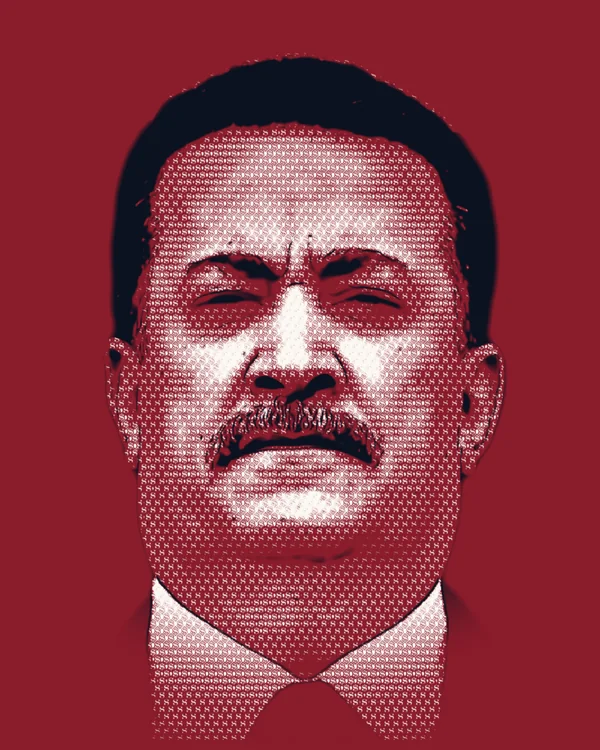 محمد شياع السوداني
This encyclopedia holds that Mohammed Shia al-Sudani is extremely corrupt, and responsible for what happened to public money in the years he ran Iraq, from October 2022 to May 2026. It finds that he took part in settling the Theft of the Century by a bail and instalment deal that let Nour Zuhair leave the country and left most of the money unrecovered; that his Cabinet created Muhandis General Company and gave it state land, a company the US Treasury says is controlled by Kata'ib Hizballah and diverts funds from government contracts; that an assistant director general in his own office was arrested in what an MP called a wiretapping network, and that a recording attributed to the head of his Commission of Advisers complains of a bribe of only one million dollars; and that under him the dollar window sold about 214 billion dollars in three years, with a margin of 24.8 billion dollars going to banks and their customers. It finds that the corruption reached his own circle: a man the press calls his cousin and close aide, Mohammed al-Sayhood, and his adviser Ibrahim al-Sumaidaie were arrested in June 2026 and a court ordered their assets seized, and his Labour Minister faces warrants for illicit enrichment. No document found shows that he or his family took a sum of public money.
The strongest facts behind this are these. The Supreme Judicial Council said in July 2026 that its head and then Prime Minister al-Sudani agreed to free Nour Zuhair on bail against repayment by instalments; the council says 365 billion of 1.618 trillion dinars came back, and Zuhair left Iraq. Asharq Al-Awsat wrote that al-Sudani announced the recovery of 5 percent and promised the rest, and that his government later failed to deliver it. The US Treasury said on 9 October 2025 that Muhandis General Company uses sub-contracting to divert funds from Iraqi government contracts; the Washington Institute says his Cabinet created it on 28 November 2022 and that it received 1.2 million acres of state land. MP Mustafa Sand said a network in the Prime Minister's office tapped MPs' phones, and al-Sudani called that the lie of the century. Abu Turab al-Tamimi, a Badr MP, said in September 2026 that about seven ministers of his government were accused of corruption and that their arrest was blocked by State Administration Coalition forces; the coalition's spokesman said the government had referred five ministers to the courts. Six lawmakers complained on 19 October 2025 that he used his office for election gain. Judge Diaa Jaafar of the Central Anti-Corruption Court said on 28 June 2026 that the case of Deputy Oil Minister Adnan al-Jumaili began with complaints that candidates were spending state resources with the support of influential figures in the former government, and he named no one. Al-Mada, as reported by 964 Media, wrote that 9 of the 15 people named that day belonged to the bloc linked to him. The National calls Mr al-Sayhood a relative and close aide, while Kurdistan24's sources denied that any relative was arrested. Former MP Hadi al-Salami says about 400 exemptions from tender went to investment companies under his government.
No charge, no court ruling and no sanction by any government against him was found. The Supreme Judicial Council called a warrant against him, circulated in June 2026, forged. The complaint of October 2025 went to the corruption court and no outcome was found. Security forces searched the home of his brother Abbas in August 2026, and no charge is reported. He and his coalition deny wrongdoing, say the wiretap story was false, and say they referred ministers to the courts. No document found puts a sum in his own hands, in his family's hands or in a company of theirs. Every fact below has its source, and his replies are set out with them.
- 365 billion dinars
All that came back from Nour Zuhair's two companies after the bail deal, about $252 million of the 1.618 trillion dinars they owed, by the Supreme Judicial Council's count. In all, 3.831 trillion dinars were withdrawn from Rafidain Bank.
Document (saved page)Original address - 9 of 15
People named on 28 June 2026 after the confessions of Adnan al-Jumaili who belonged to the bloc linked to him, Al-Mada wrote, as reported by 964 Media. No charge against him is reported.
Document (saved page)Original address - 1.2 million acres
State land that the Washington Institute says Muhandis General Company received on 6 December 2022, days after his Cabinet created it.
Document (saved page)Original address - $24.8 billion
Margin on the dollar window in 2023, 2024 and 2025 together: $7.4, $9.9 and $7.5 billion, on sales of $56.1, $77.7 and $80.4 billion. The margin is the difference between the market price and the window price. It went to banks and their customers while his government ran the state. No document shows any of it reaching him.
The figures in the ledger - About 400
Exemptions from rules and tenders that former MP Hadi al-Salami says al-Sudani's government and the Supreme Investment Committee gave to investment companies. An MP's claim; no official count found.
Document (saved page)Original address
Accused by an official body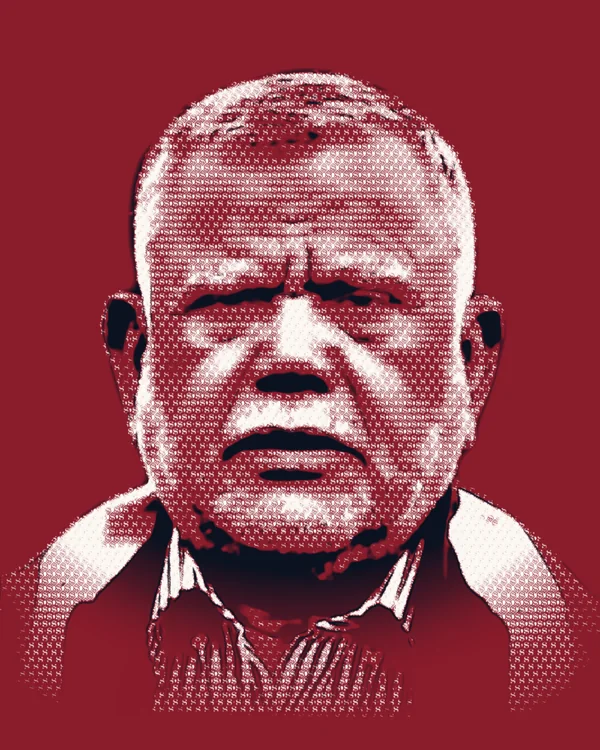 هادي العامري
This encyclopedia holds that Hadi al-Ameri is corrupt in the way he has used power, and answerable for the system the Badr Organisation built inside the state. He has led Badr since 2009 and was Minister of Transport from December 2010 to September 2014. By the accounts below, the organisation he leads took hold of the Interior Ministry, of senior posts in the tax and customs commissions and the Integrity Commission, of governorships and of border crossings, and it drew on the Popular Mobilisation budget. The Guardian says seven sources told it that Badr backed the men who carried out the theft of about 2.5 billion dollars in tax deposits. No document found puts a sum of public money in his own hands.
The strongest facts behind this, each with who says it. AFP reported in March 2021 that port workers, officials and analysts confirmed that the Mandali crossing on the Iranian border is run by Badr, with bribes of up to $10,000 a day for a border operative. The Guardian reported in November 2022 that seven sources said Badr backed the executors of the theft of about $2.5 billion in tax deposits and controls senior appointments in the tax and customs commissions. Chatham House says Badr's hold on the Interior Ministry dates from 2004 and has made the ministry a tool of Badr networks, and the Associated Press wrote in 2017 that Badr and Hadi al-Ameri secured de facto control of that ministry in 2014. The Mapping Militants Project at Stanford says that as Transport Minister he worked to channel funds to companies tied to Badr. The Washington Institute says a Badr general led the seizure of land in Baghdad for the Muhandis General Company, which the US Treasury says Kata'ib Hizballah set up. Al-Monitor reported in 2019 that hundreds of Badr members accuse him of being corrupt. The Washington Institute says the present head of the Integrity Commission, Mohammed Ali al-Lami, is close to his family, especially his son Mehdi.
No charge, warrant, court ruling or sanction by any government against Hadi al-Ameri was found. A US congressman has asked the administration to sanction him, and no sanction exists. The Transport Ministry cases that reached a court concern his successor, not him. In November 2022 he said that profit, money and commissions are forbidden to Badr, and a Badr spokesman has called the American calls personal efforts. The sources on the tax theft, the crossings and the land do not name him, and no document found ties to him or his family a bank at the dollar window, a contract of his ministry or a company. Every fact below has its source, and his replies are set out with them.
- About $2.5 billion
Lost in the theft of the tax deposits, in which the Guardian says Badr backed the executors. The sources do not tie this sum to him.
Document (saved page)Original address - $2.16 billion
The 2019 budget allocation to the Popular Mobilisation Commission, raised by one fifth by Fatah MPs, says Chatham House. It is a budget line, not a sum taken.
DocumentOriginal address - $10,000 a day
What an official at Mandali, a crossing AFP says Badr runs, told AFP a border operative can take in bribes. It is a boast reported by AFP, not an audited sum.
Document (saved page)Original address
Accused in credible reporting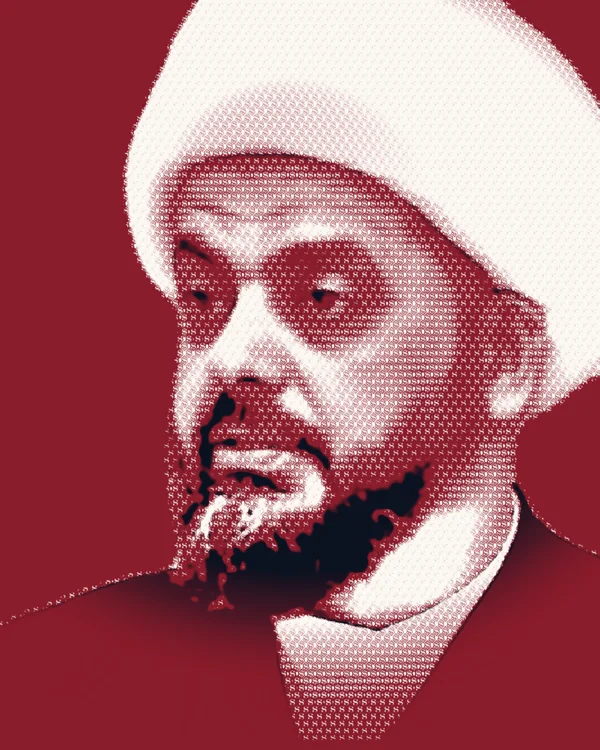 قيس الخزعلي
This encyclopedia holds that Qais al-Khazali is corrupt, and answerable for how Asa'ib Ahl al-Haq, which he leads, gets its money, posts and land. The US Treasury names the movement's economic official, says he worked directly with Qais al-Khazali's brother Laith, and says he used government contracts as a front. Reuters says the movement is central to a fuel oil smuggling network earning at least one billion dollars a year for Iran and its proxies. The deputy oil minister who the Treasury says enriched the movement has been sentenced for illicit enrichment. This is this encyclopedia's judgment and not a court ruling, and no document found puts a sum in his own hands.
The strongest facts come from the US Treasury, which on 7 May 2026 named Mustafa Hashim Lazim al-Behadili as a leader and economic official of the movement; it says he worked directly with Qais al-Khazali's brother Laith and used businesses, projects and government contracts as a front for the movement's money, and it designated four oil companies he owns or controls. Reuters, citing five sources and three Western intelligence reports, said in December 2024 that the movement is central to a fuel oil smuggling network that some experts believe earns at least $1 billion a year for Iran and its proxies. In October 2025 the Treasury said the banker Ali Ghulam gave the movement financial services, including dollars, and this encyclopedia's ledger shows the three banks tied to him took about $8.7 billion at the Central Bank window at a margin of about $359 million. An Iraqi researcher writing for the Washington Institute says the movement gave up the Tourism Ministry for Higher Education, and the Institute's analysts say the movement received cuts of the Jadriya property thefts in Baghdad, which the movement denies. The State Department says the movement also draws money from smuggling and from taxing economic activity where it dominates. On 15 October 2026 parliament voted his brother Laith deputy prime minister and the movement's nominee Minister of Labour.
No court in Iraq or abroad has charged or convicted Qais al-Khazali of corruption. The US Treasury designated him on 6 December 2019 for serious human rights abuse, not for corruption, and the State Department designated him a terrorist on 3 January 2020. He calls the sanctions a smear, says he has not lived in Iran for seventeen years, backed a public trial in the tax deposits theft, and his movement's lawmakers speak against corruption. His movement denies the Jadriya claim, one report has the Nineveh governor denying the Mosul island claim, he did not answer Reuters, and no document found puts a sum in his own hands or shows the Treasury's companies paid him. Every fact below has its source, and his replies are set out with them.
- 4 companies
Oil and contracting companies the US Treasury designated on 7 May 2026 as owned or controlled by the movement's economic official al-Behadili.
Document (saved page)Original address - $1 billion a year
Lowest estimate, by some experts quoted by Reuters, of what the whole fuel oil smuggling network earns for Iran and its proxies. It is not a figure for the movement or for Qais al-Khazali.
Document (saved page)Original address - $359 million
Margin between the market price and the price paid at the Central Bank window on about $8.7 billion bought by the three banks the register ties to Ali Ghulam, whom the Treasury says served the movement. No page says any of it reached Qais al-Khazali.
Document (saved page)Original address - $379.8 million
Margin on the $10.3 billion that Al-Huda Bank bought at the window from 2012 to 2020. The US FinCEN says companies tied to the movement used this bank. No page says any of it reached Qais al-Khazali.
The figures in the ledger - 3 brigades
The 41st, 42nd and 43rd Brigades of the Popular Mobilisation Forces, paid by the state and run by the movement's leaders, says the Washington Institute.
Document (saved page)Original address
Under sanctions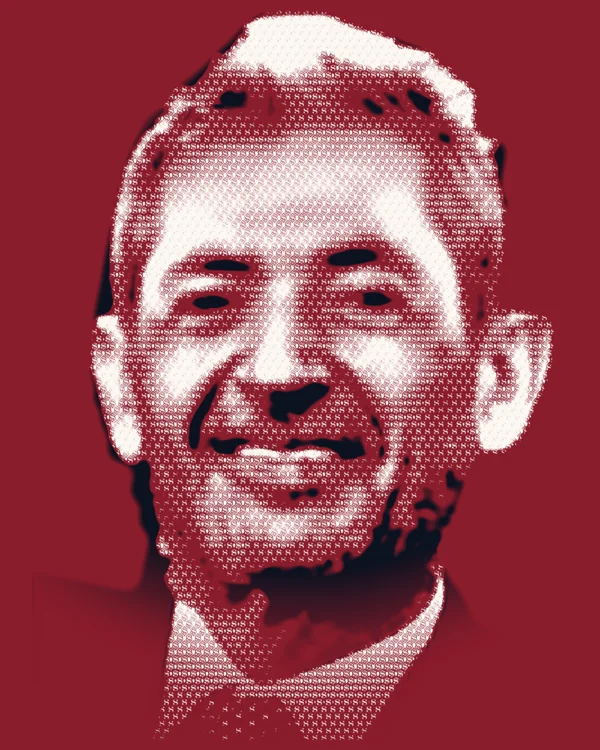 طارق محمد إبراهيم الحسن
This encyclopedia finds that Tarek al-Hassan began his career smuggling cigarettes into Iraq in partnership with Uday Hussein, the son of Saddam Hussein, and that he has carried on and expanded his activities to this day. In its judgment, what he holds today in the Pepsi bottler of Iraq, in a bank of the Central Bank's dollar window, in a Baghdad hotel and in a food company in Jordan grew from that start. It finds that he travelled with the businessmen in the party of Prime Minister Ali al-Zaidi on the official visit to Washington in July 2026, and it holds that a state which carries such a man on an official visit shows whom it serves.
An investigation by the Organized Crime and Corruption Reporting Project, published in Arabic by Daraj in June 2022, says that Uday Hussein supervised an elite group of Iraqi tobacco traders that included Tareq al-Hassan, and that cigarettes smuggled into Iraqi Kurdistan around the United Nations embargo were distributed in the rest of Iraq by traders including him. It says that the French maker SEITA later tried to push his partner Nizar Nasri out of its business in Iraq in his favour, in a dispute that a court paper put at $97 million. Market data sites list Tarek Mohamed Ibraheem El Hassan with 42.35 percent of Baghdad Soft Drinks Company, 9.977 percent of North Bank, 10.724 percent of Babylon Hotel and 47.368 percent of Al Qarya in Jordan. North Bank bought $4,278,723,773 at the dollar window, with a margin of $170,491,158 on its bids of 2013 to 2015. PepsiCo's announcement says that he signed its two agreements at the US Chamber of Commerce summit held during the Prime Minister's visit, as majority stakeholder of both Iraqi companies.
No charge, warrant, court ruling or sanction against him was found. He declined to comment to the investigators, and no reply from him to any of this was found. No page we hold says in so many words that the trader in the investigation and the shareholder in the market data are one man: this encyclopedia holds that they are, on the name, the setting and the tie to Jordan. The investigation says that the arrangement under Uday ended in 2003, and no document found shows smuggling by him after that year. The published list of those travelling with the Prime Minister names no businessmen. No document found puts a sum in his hands, and the sums of the bank are the bank's. Every fact below has its source, and his replies are set out with them.
- 42.35%
His share of Baghdad Soft Drinks Company, the Pepsi bottler of Iraq, as listed by a market data site.
Document (saved page)Original address - $170,491,158
Margin on North Bank's bids of 2013 to 2015, the market price minus the price paid at the window. He is listed with 9.977 percent of the bank. No document says how much of it reached him.
The figures in the ledger - $1.5 million a month
What the US Treasury says reached Uday Hussein from the extortion of cigarette and alcohol vendors. The Treasury does not name Tarek al-Hassan.
Document (saved page)Original address - $97 million
The sum in dispute, by a court paper, when SEITA tried to push Nizar Nasri out of its business in Iraq in favour of al-Hassan.
Document (saved page)Original address
Accused in credible reporting
Confirmed cases
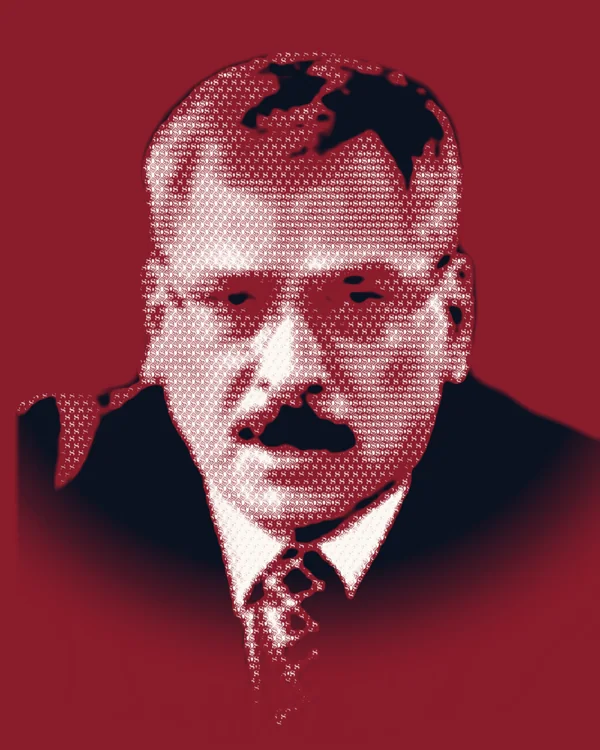 حازم الشعلان$1.3 billion
About $28 for every person in Iraq.
Judge Radhi al-Radhi, head of the Commission on Public Integrity, said in September 2005 that the losses for which al-Shaalan and his ministry were responsible were estimated at $1.3 billion at least and might reach $2.3 billion.
Convicted (reported)Document (saved page)Original address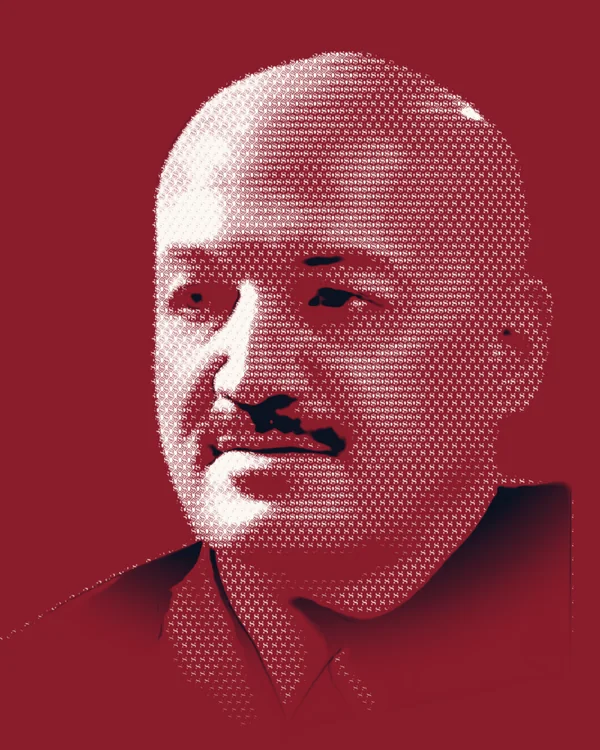 نور زهير جاسم$1.1 billion
About $24 for every person in Iraq.
The Supreme Judicial Council said IQD 1,618,370,882,000 of the tax deposits was owed by his two companies, al-Qanit and al-Mubdi'un; the Karkh anti-corruption criminal court sentenced him in absentia to ten years in November 2024.
Convicted in absentiaOriginal address زياد طارق عبد الله القطان$800 million
About $17 for every person in Iraq.
The Integrity Commission said the court rulings against him included prison terms totalling decades and a demand that he return about $800 million.
ConvictedDocument (saved page)Original address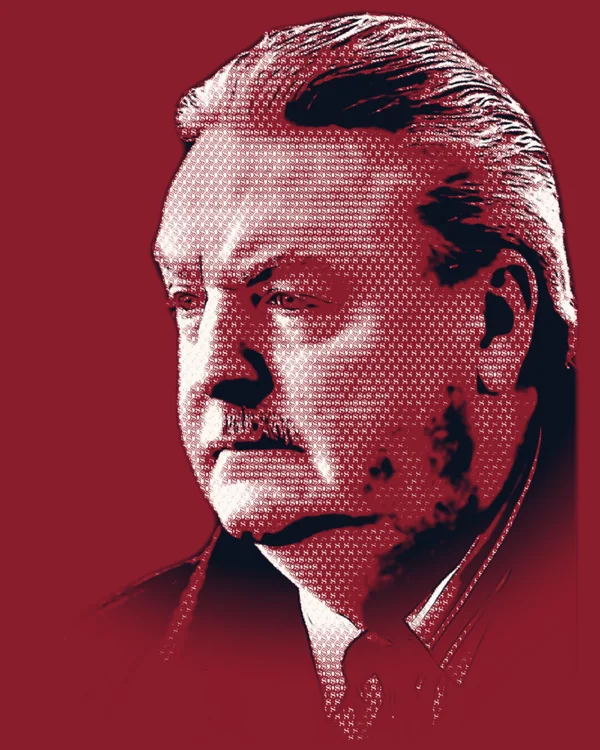 جيمس ماكورميك$54.2 million
About $1 for every person in Iraq.
The Integrity Commission said he had sold Iraq more than 6,000 fake explosive detection devices for about £40 million; a London court had sentenced him in 2013 to ten years in prison for fraud.
Convicted (reported)Document (saved page)Original address- حسين طالب$42.3 million
About $1 for every person in Iraq.
A court sentenced him to eight years in prison for profiting from contracts with the North Refineries Company and ordered him to repay IQD 55 billion linked to those contracts, according to the Integrity Commission.
Convicted (reported)Document (saved page)Original address - محمد حنش محمود ذكي$30 million
About $1 for every person in Iraq.
The Central Anti-Corruption Criminal Court sentenced him to five years and ordered him to return IQD 38,969,334,000 in illicit gains, with a fine of the same value, bringing the total he must pay to IQD 77,938,668,000, according to the Integrity Commission.
Convicted (reported)Document (saved page)Original address 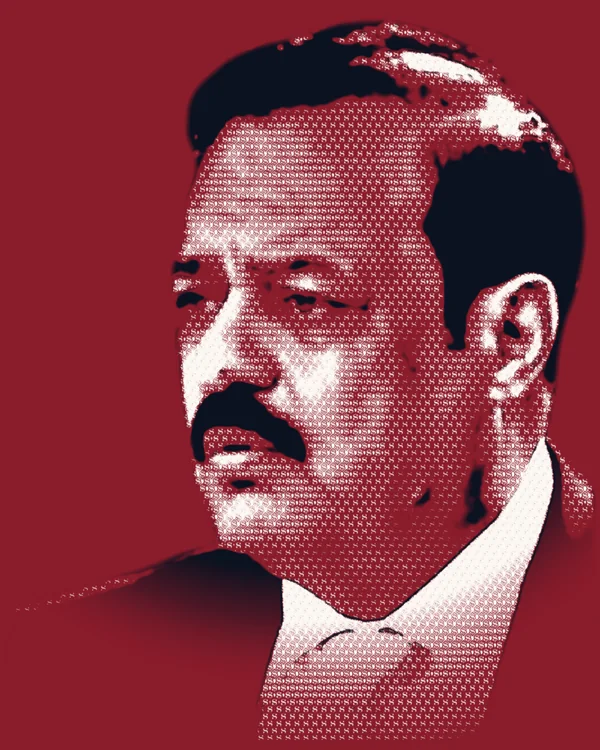 طلال الزوبعي$26.9 million
About $1 for every person in Iraq.
The Central Anti-Corruption Criminal Court sentenced him to seven years for illicit enrichment valued at about IQD 35 billion and ordered him to pay about IQD 70 billion, the sum itself and an equal fine, according to the Integrity Commission.
Convicted (reported)Document (saved page)Original address- علي معارج سويج البهادلي$20.4 million
The Central Anti-Corruption Criminal Court sentenced him to seven years for illicit enrichment valued at about IQD 26.5 billion and ordered him to pay IQD 53 billion, the sum itself and an equal fine, according to the Integrity Commission.
Convicted (reported)Document (saved page)Original address - باسل الجراح$17 million
The UK Serious Fraud Office said he paid more than $17 million in bribes to Iraqi officials to win contracts for Unaoil's clients; he pleaded guilty and was sentenced in London in October 2020.
ConvictedOriginal address - ملاس محمد عبد الكريم الكسنزان$14.3 million
An integrity criminal court in Baghdad sentenced a former minister of trade and two former directors general in absentia to seven years each for deliberately harming public money in two basmati rice contracts that caused $14.3 million in damage, according to the Integrity Commission; a Commission source told AFP the minister was al-Kasnazani.
Convicted (reported)Document (saved page)Original address 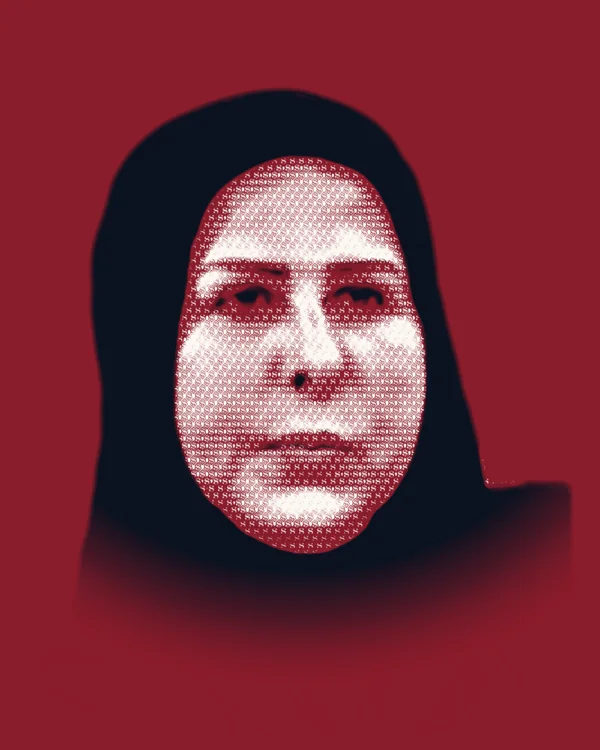 عالية نصيف جاسم$12.4 million
The Central Anti-Corruption Criminal Court sentenced her in her presence to seven years for illicit gain and ordered her to repay $12,442,500 of it, besides a dinar sum, and to pay a fine equal to the whole gain; the total comes to more than IQD 61 billion, according to the Integrity Commission.
Convicted (reported)Document (saved page)Original address نعيم عبعوب$12.2 million
The integrity criminal court in Baghdad sentenced the former mayor of Baghdad and the former director general of parks in absentia to seven years for deliberate damage of USD 12,165,350 in the Army Canal development contract, according to the Integrity Commission, which later named Naim Aboub as the former mayor sentenced in that case.
Convicted (reported)Document (saved page)Original address- زينة سعود فريح$12 million
The Rusafa criminal court sentenced her to life imprisonment for embezzling about IQD 14 billion from the Baghdad Mayoralty and ordered the confiscation of her property, according to the Integrity Commission.
Convicted (reported)Document (saved page)Original address - عائد جابر عمران$11.2 million
The Central Anti-Corruption Criminal Court sentenced the Director General of the Midland Refineries Company to five years for illicit gain, fined him IQD 16,035,045,000 and ordered him to repay IQD 14,535,045,000 of illicit gain after deducting about IQD 1.5 billion he had already paid, according to the Integrity Commission.
Convicted (reported)Document (saved page)Original address  بهاء الدين نور محمد حسين (بهاء النوري)$11 million
The Central Anti-Corruption Criminal Court sentenced him to seven years for illicit gain and ordered him to repay $10,990,787 of it, besides a dinar sum, and to pay a fine equal to the whole gain; the total comes to more than IQD 40 billion, according to the Integrity Commission.
Convicted (reported)Document (saved page)Original address محمد فرمان شاهر سلمان الجبوري$9.1 million
The Central Anti-Corruption Criminal Court sentenced him in his presence to seven years for illicit gain and ordered him to repay IQD 11,795,949,238 of it, besides a dollar sum, and to pay a fine equal to the whole gain; the total comes to IQD 28,157,250,476, according to the Integrity Commission.
Convicted (reported)Document (saved page)Original address- فيليب بلوم$8.6 million
The US Department of Justice said Bloom received more than $8.6 million in rigged contracts from the Coalition Provisional Authority South Central Region; he pleaded guilty and was sentenced on 16 February 2007 to 46 months in prison.
ConvictedDocument (saved page)Original address - رعد قاسم محمد$7.5 million
The Rusafa criminal court for integrity cases sentenced him to four years for illicit enrichment that came from bribes taken from companies and investors, and ordered him to repay $7,525,000 and pay a fine of the same amount, according to the Integrity Commission.
Convicted (reported)Document (saved page)Original address - أسامة نعمان$6.8 million
He admitted paying and promising to pay more than $6.8 million in bribes from 2004 to 2008 to officials of the Iraqi Ministry of Oil and the Trade Bank of Iraq to secure sales of tetraethyl lead for Innospec, according to a US Immigration and Customs Enforcement release on his sentence to 30 months in prison. The figure includes bribes promised but not paid.
Convicted (reported)Document (saved page)Original address - علاء شوحي أبو علي الساعدي$6.6 million
The Integrity Commission said he was arrested in Baghdad, two years after a warrant was issued, for repeating the payment of 26 documents for 2020 and 2021 and embezzling their value, put at IQD 8,611,898,750.
Convicted (reported)Document (saved page)Original address
How a name enters this hall
A name enters the Hall when this encyclopedia has decided on it and the research on that person is finished. This is the judgment of the encyclopedia, given with its evidence. It is not the judgment of a court. The legal status beside each name is the status on the record, and each name leads to the full record and its sources.
A person enters the confirmed cases only when a court has convicted them or they have pleaded guilty, and a court or an official body has put a figure on the money. The value of a contract does not count, because the value of a contract is not the money taken.
The figure for every person is the sum divided by the 46,118,793 people counted in the 2024 census. It is left out when it comes to less than one dollar.
Each picture is drawn in dollar signs from a public photograph of the person, and no feature of any face is changed. Some drawings are reversed from left to right, so that all the faces look the same way, and the person's page says so.